When vintage muscle meets 21st century engineering, the result is a machine that defies categories. It is part classic, part performance prototype, and fully capable. At the heart of that evolution sits Schwartz Performance, a chassis-centric engineering house that has quietly reshaped the landscape of classic car performance over the past two decades. From bolt-in full frames to turnkey Pro Touring builds, Schwartz has become a nexus where enthusiasts, collectors, and high-net-worth owners converge to reimagine what a classic car can be.
Who Is Schwartz Performance?
Founded in 2005 by Jeff Schwartz, Schwartz Performance began with a mission that still defines the company: to merge race-car capability with street-friendly comfort, reliability, and composure. Jeff Schwartz’s background spans SCCA competition, IMSA racing, and multiple wins in Optima Ultimate Street Car events. That experience is deeply embedded in the company’s engineering mindset.
Today, Schwartz Performance operates from a 34,000-square-foot facility in Harvard, Illinois, where a dedicated team of fabricators, engineers, and craftsmen design and build everything from standalone chassis systems to complete, drive-away vehicles. The company’s positioning, often expressed as “Where Classic Style meets Modern Technology,” reflects an engineering-first approach rather than a nostalgia-driven one.
Engineering Philosophy: Modern Mechanics Beneath Classic Lines
At the core of Schwartz Performance’s offering is the G-Machine Chassis, a purpose-engineered performance foundation available for more than 125 vehicle platforms, covering American muscle and classic cars built between 1947 and 1988.
Unlike traditional aftermarket upgrades that adapt or reinforce factory frames, Schwartz focuses on complete chassis replacement. These frames are designed from the ground up to support modern power levels, suspension travel, and braking performance while maintaining factory body mounting points.
Key engineering characteristics include significantly increased torsional rigidity compared to original frames, which allows the suspension to operate as intended rather than compensating for chassis flex. Modern suspension geometry is integrated throughout, with triangulated four-link rear setups, needle-bearing front control arms, and adjustable coilover systems. Despite their modern design, these chassis remain bolt-in solutions, preserving the original body structure while fundamentally transforming vehicle dynamics.
Technical Differentiation: Where Schwartz Does Things Differently
Chassis Rigidity and Structural Design
Original frames were designed for durability and cost efficiency, not lateral grip or braking stability. Schwartz chassis address this through strategic cross-bracing and modern steel construction, creating a rigid platform that improves steering response, braking consistency, and suspension accuracy.
Suspension Architecture Built for Performance
Schwartz designs its suspension systems to support modern wheel and tire packages, high-performance braking systems, and contemporary steering components. This enables classic vehicles to achieve predictable handling at speeds that would overwhelm factory designs, while maintaining road usability and ride quality.
Integrated Powertrain Compatibility
The company’s chassis systems are engineered to accommodate a wide range of modern powertrains. These include naturally aspirated LS engines, supercharged applications, and twin-turbo builds producing four-figure horsepower. Cooling, driveline alignment, and electronic integration are considered from the outset, rather than treated as secondary concerns.
Notable Builds That Define the Brand
1970 Chevrolet Chevelle Pro Touring Build
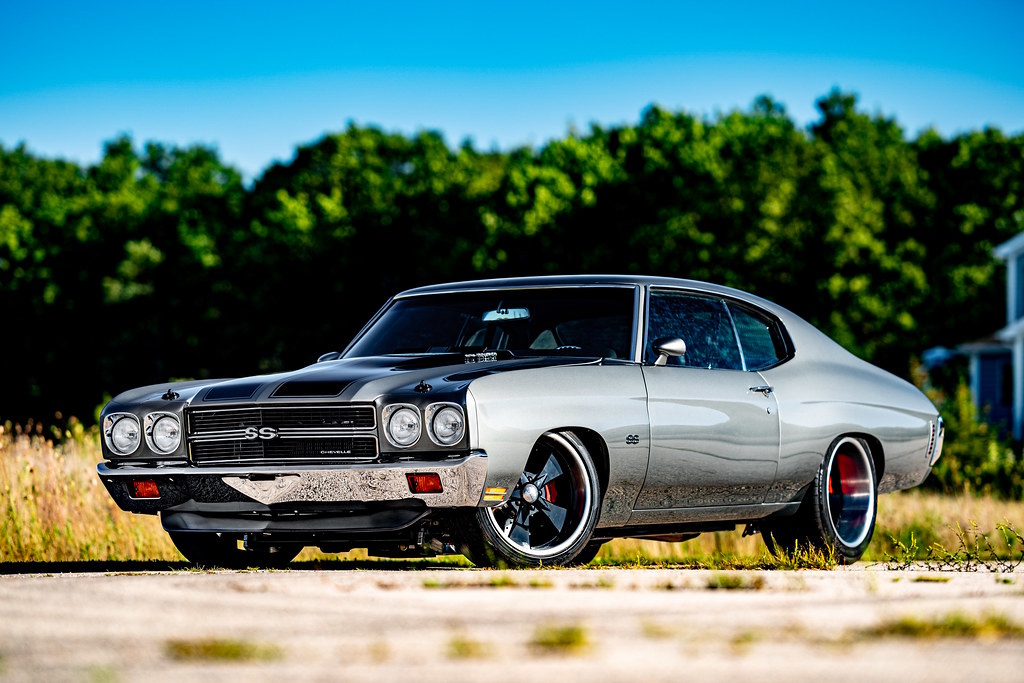
This Chevelle exemplifies the transformation possible when a classic A-body is rebuilt around a modern chassis. The vehicle combines original exterior proportions with a G-Machine chassis, modern suspension geometry, and contemporary braking systems. The end result is a car capable of track-day performance while remaining civilized on the street.
1970 Buick Skylark Restomod
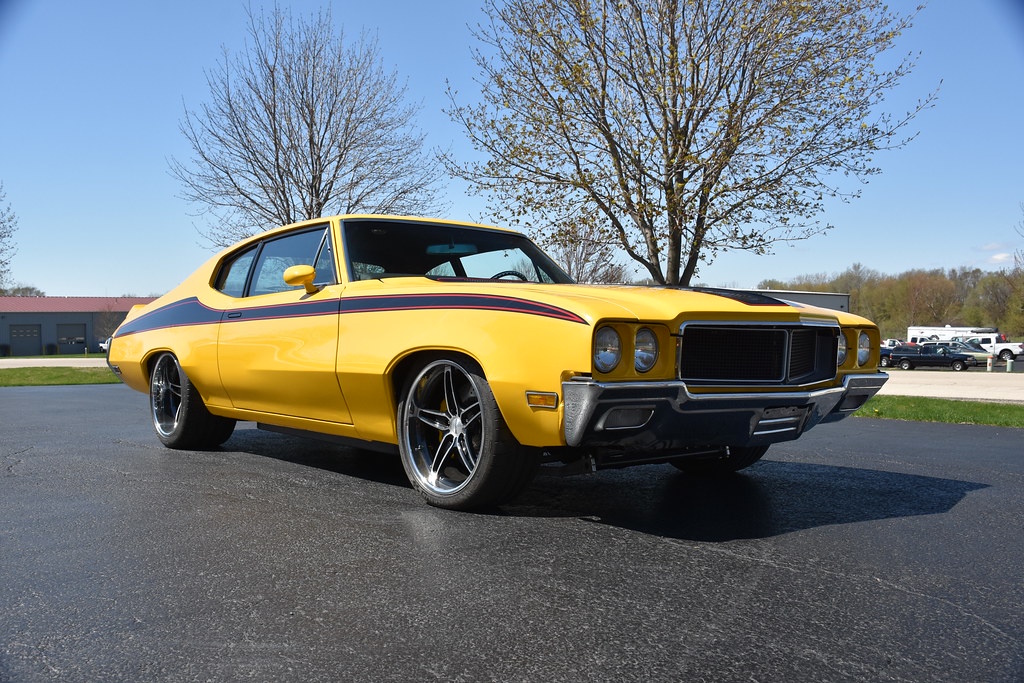
The Buick Skylark build showcases Schwartz’s ability to modernize less obvious platforms. Retaining its understated styling, the car sits on a full Schwartz chassis and is powered by a high-output LS-based engine. The build balances refinement with serious performance capability, reinforcing the idea that Pro Touring engineering is not limited to headline muscle cars.
Reputation, Recognition, and Industry Influence
Within the Pro Touring and restomod community, Schwartz Performance has earned credibility through results rather than marketing. The company has achieved multiple victories at Car Craft Magazine’s Real Street Eliminator events and has been voted Pro Builder of the Year by readers. Its work has appeared across enthusiast television and print media, including programs such as Gearz and Detroit Muscle.
More importantly, Schwartz has influenced how builders and owners approach classic performance projects. The emphasis has shifted from cosmetic restoration to foundational engineering, with the chassis recognized as the starting point rather than an afterthought.
Why High-Value Owners Gravitate Toward Builders Like Schwartz
The typical Schwartz customer is not seeking a static show car. These owners want vehicles that can be driven hard, safely, and confidently. A modern chassis allows them to enjoy their cars on long tours, spirited road drives, and closed-circuit events without sacrificing reliability or comfort.
For collectors, the value proposition lies in engineering integrity. A classic vehicle built on a properly designed performance chassis offers long-term usability and mechanical credibility that extends beyond aesthetics.
A New Standard for Classic Performance
Schwartz Performance occupies a distinctive position in the automotive world. By reengineering the foundations of classic cars with modern precision, the company has helped redefine what vintage performance vehicles are capable of. Its work demonstrates that respecting heritage does not require accepting outdated limitations.
For enthusiasts and collectors who value craftsmanship, engineering discipline, and real-world performance, Schwartz Performance represents a modern benchmark for classic car transformation.